
Noxmara
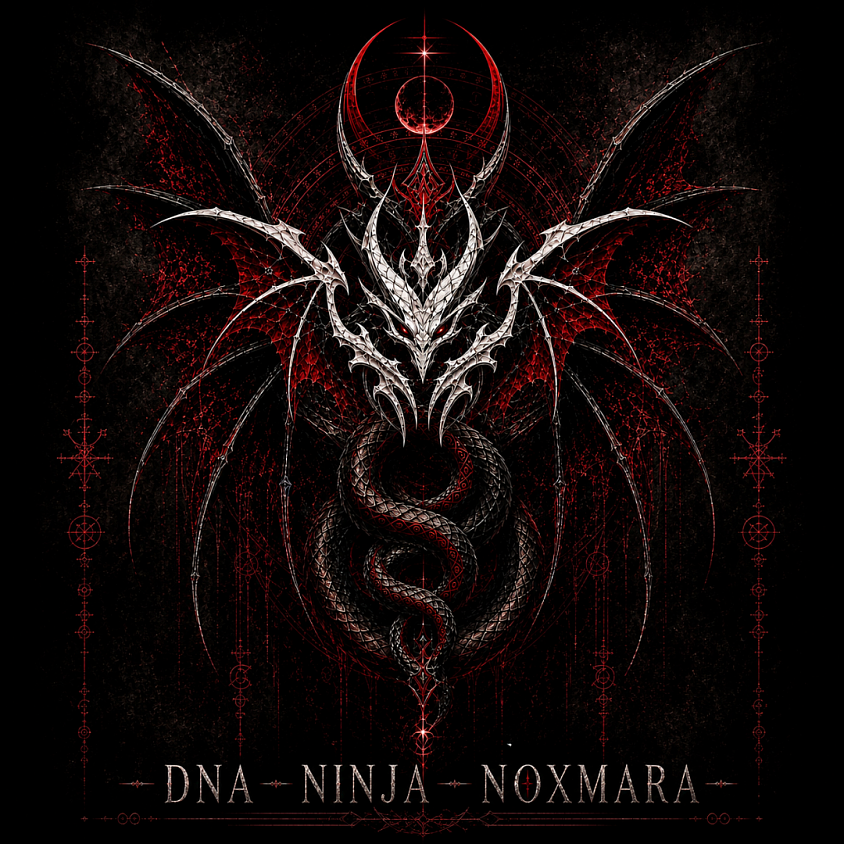
About the Sound
NOXMARA lives somewhere between orchestral darkness, trip-hop, industrial electronics and modern hip-hop production — with cello running through it as a constant spine.
The sound is cinematic without becoming theatrical, heavy without relying on metal, and electronic without sanding away the human edges. Deep bass, fractured percussion, distorted textures and low strings sit beneath a close, husky vocal that is deliberately kept intimate and imperfect.
I call it Grit-Hop.
Not because it follows a strict genre formula, but because grit is the thing connecting everything: the texture of the production, the weight of the cello, the vocal rasp, the rhythm, and the stories underneath it.
The Sound
NOXMARA is built around contrast.
Organic strings meet synthetic bass.
Cello sits beside 808s and industrial percussion.
Orchestral movement collides with trip-hop restraint.
Quiet vocals can sit over enormous production without needing to compete with it.
The cello is not decoration or background atmosphere. It is one of the main voices of the music — sometimes melodic, sometimes percussive, sometimes carrying the tension underneath an entire track.
Electronic production brings the other half: sub bass, distorted drums, trap and trip-hop rhythms, dark synth textures, vocal layers and moments of deliberate sonic instability.
Nothing needs to sound perfectly polished to belong.
Sometimes the rough edge is the point.
Where It Came From
NOXMARA didn't begin with a genre blueprint.
The sound developed through experimentation — pulling together the things I naturally kept returning to: cello, low vocals, heavy bass, unusual rhythmic structures, cinematic atmosphere and music that leaves enough space for the words to matter.
Over time, the combinations became less accidental.
Trip-hop became heavier.
The orchestral elements became darker.
Hip-hop and industrial rhythms moved further forward.
The cello became inseparable from the identity of the music.
Eventually the sound stopped fitting comfortably inside any one existing label.
So I gave it one.
Grit-Hop.
A genre built from collision rather than purity.
The Technical DNA
Tempo: Most often mid-tempo, roughly 95–128 BPM, with occasional slower or faster departures depending on the track.
Vocals: Low, chest-led tenor vocals with a husky, textured delivery. Close-mic intimacy, audible breath and natural vocal character are intentionally preserved.
Strings: Cello is the primary recurring instrument, supported where needed by violin, orchestral layers, drones and cinematic string arrangements.
Rhythm: Trip-hop, trap, drill, industrial and occasional drum-and-bass influence, with half-time switches, syncopation and heavy low-end movement.
Bass: Warm sub bass, 808s, drones and distorted low-frequency textures used for weight and tension rather than constant aggression.
Production: Dark, spacious and layered. Organic imperfections, distortion, ambience and texture are allowed to remain when they serve the song.
Structure: Songs frequently move through contrasting sections rather than relying on a conventional pop build — intimate passages can collapse into dense rhythmic sections, stripped bridges or orchestral expansions.
The Story Inside It
NOXMARA is less interested in explaining emotion than creating somewhere for it to exist.
The writing uses metaphor, imagery, dark humour, sensuality and fragmented storytelling rather than straightforward confession. Some songs are introspective. Some are confrontational. Some are strange, playful, intimate or deliberately uncomfortable.
But the thread running through them is endurance.
Carrying something through darkness.
Being altered by it.
And finding whatever light exists on the other side.
That is NOXMARA.
Human-led. AI-assisted. Built from the collision between organic sound, digital creation and lived emotion.
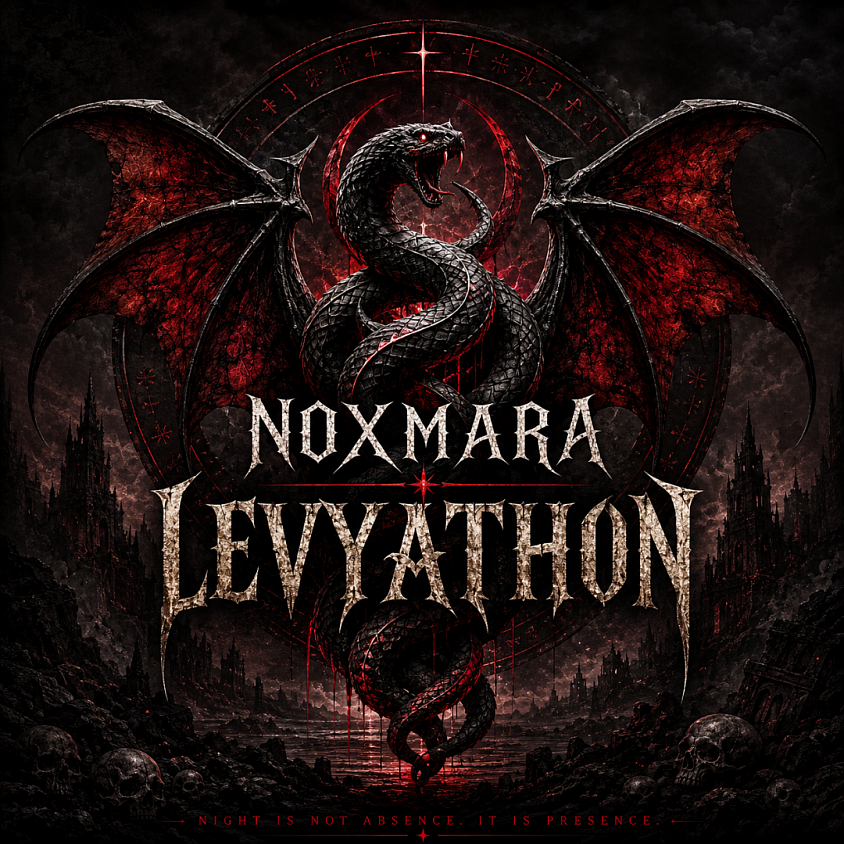
Levyathon
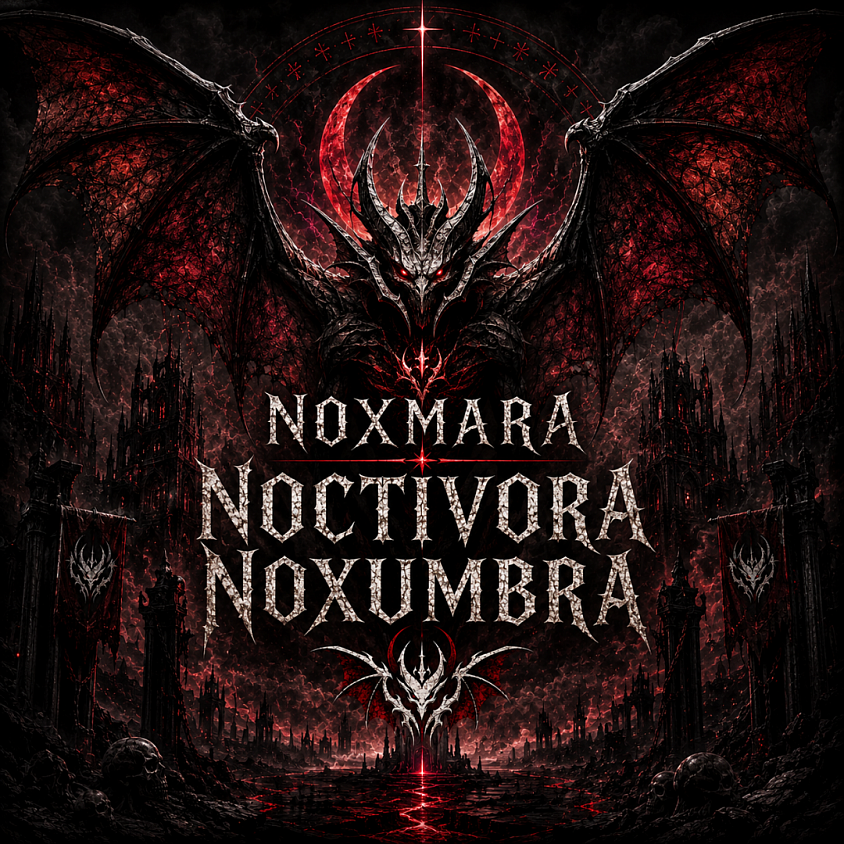
Noctivora Noxumbra
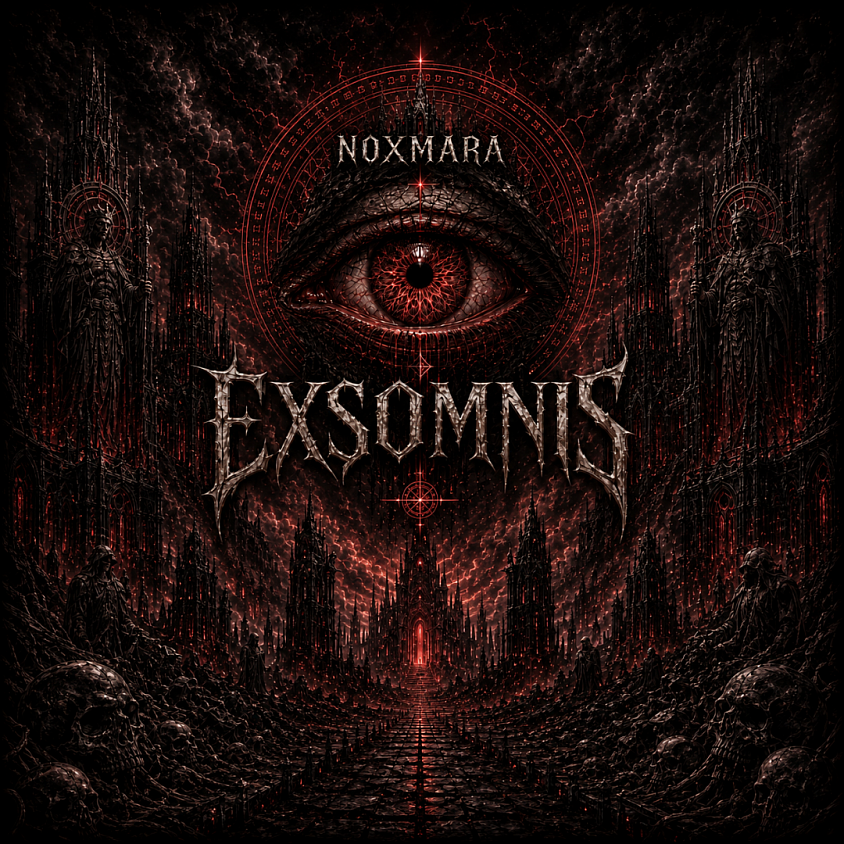
Exsomnis
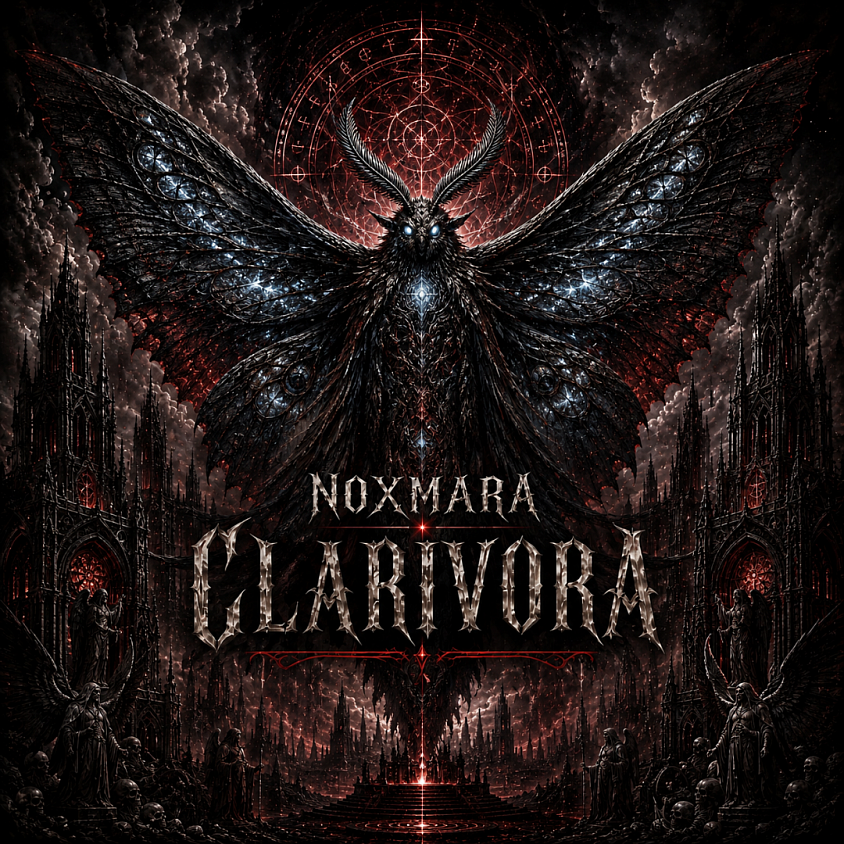
Clarivora
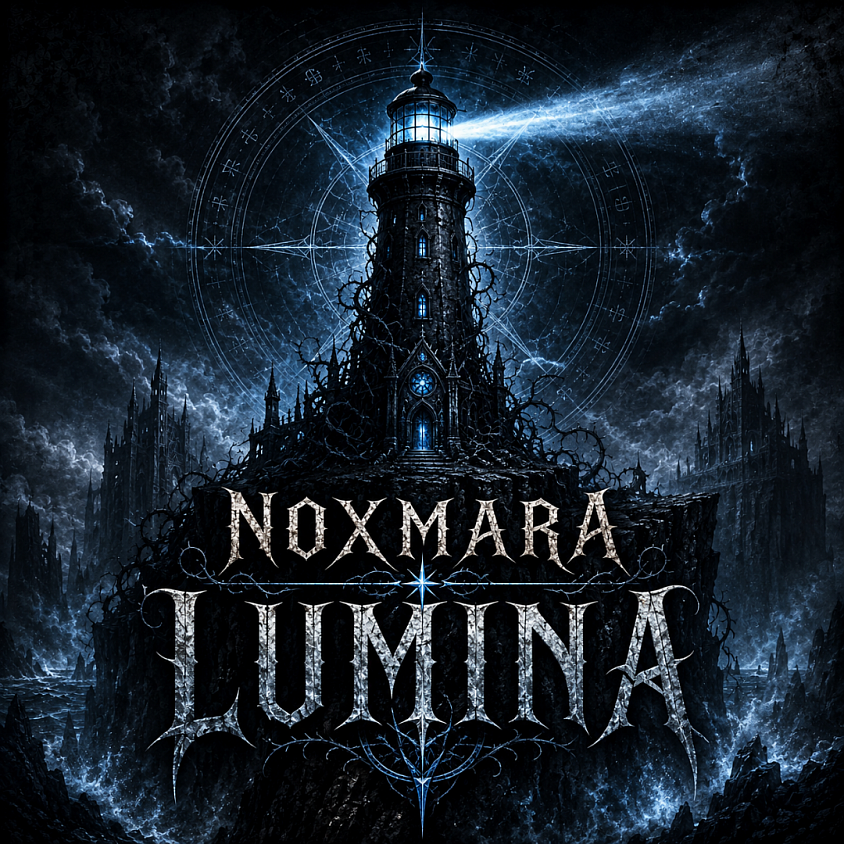
Lumina
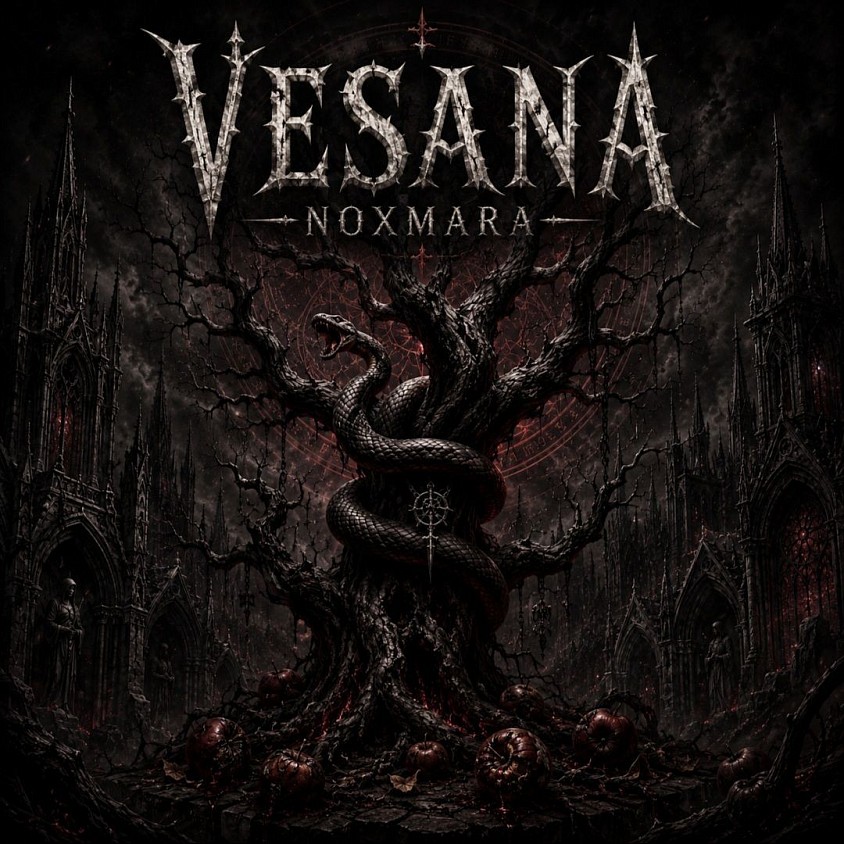
Vesana
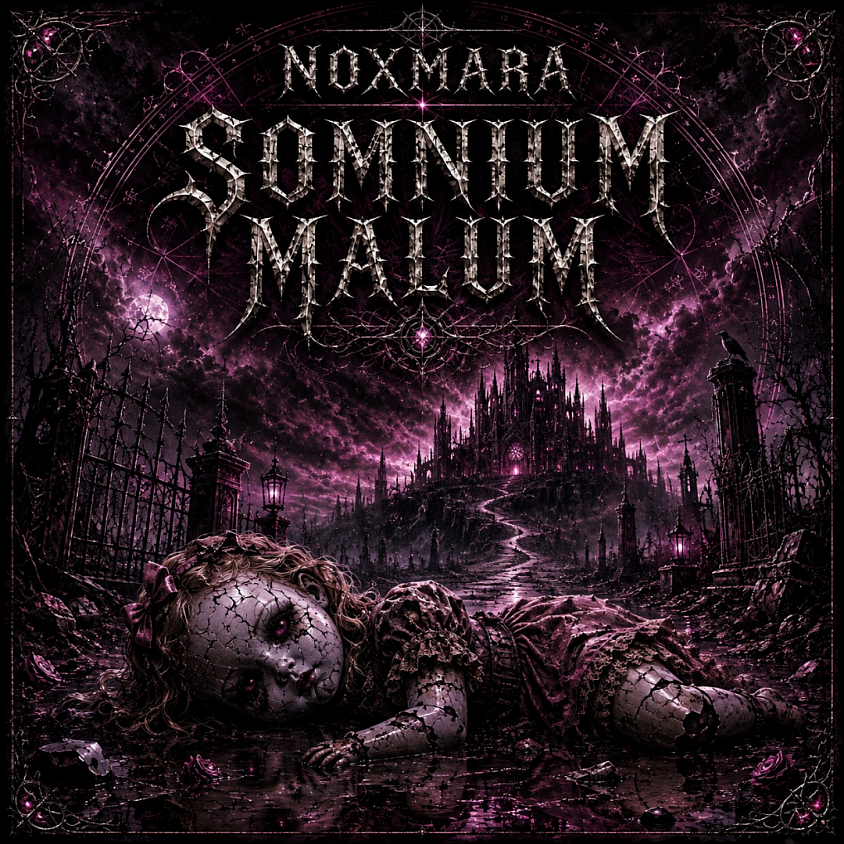
Somnium Malum
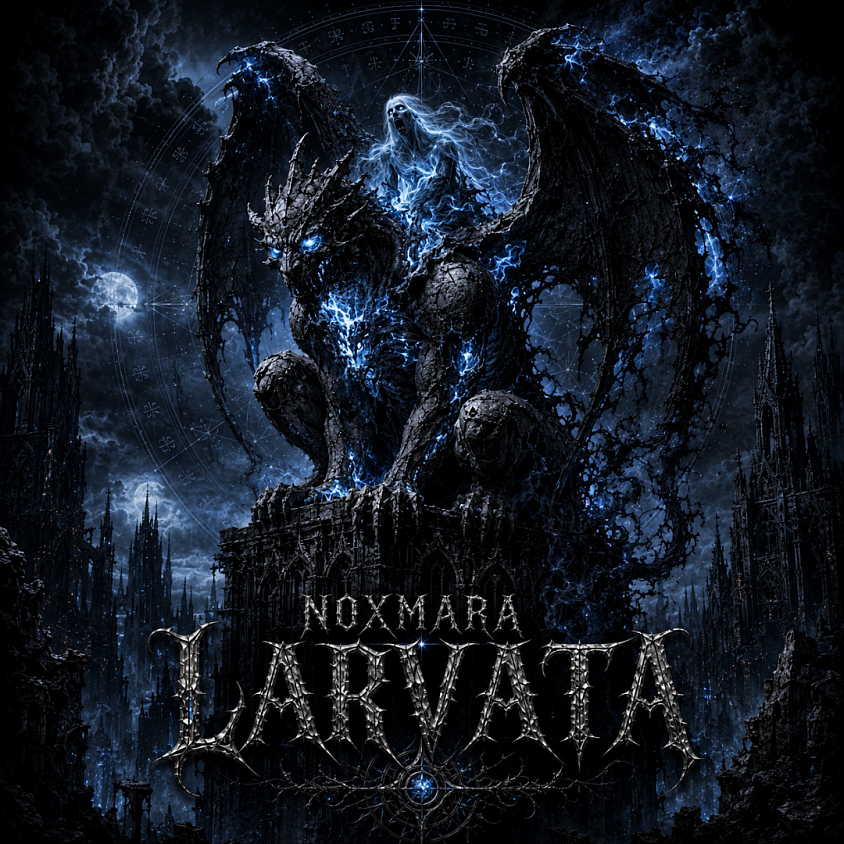
Larvata
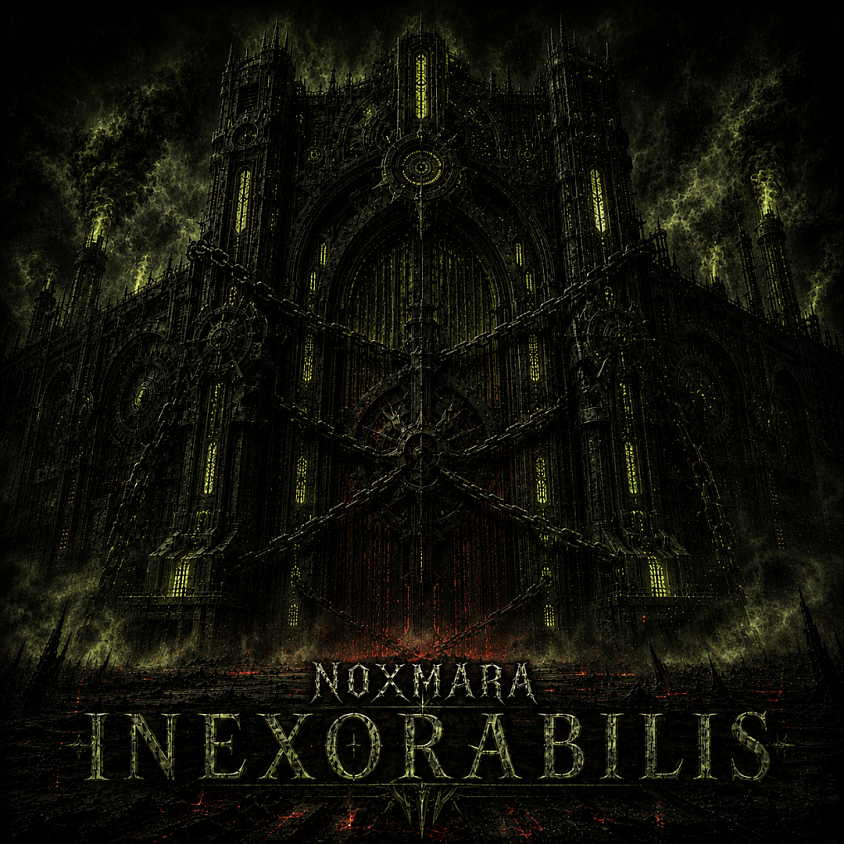
INEXORABILIS
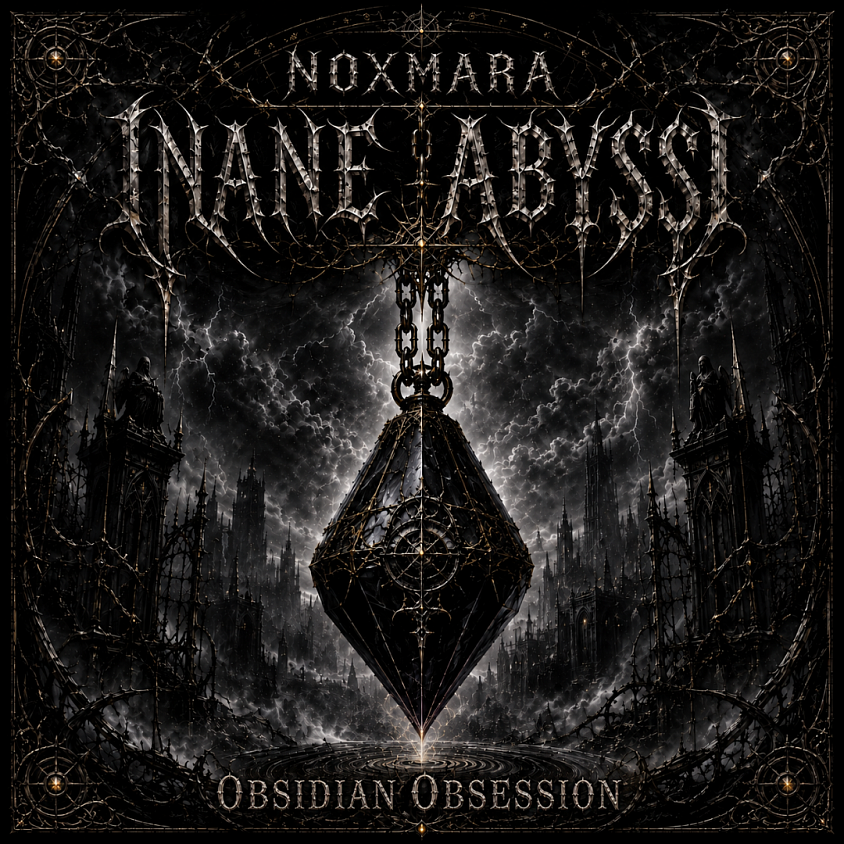
Inane Abyssi
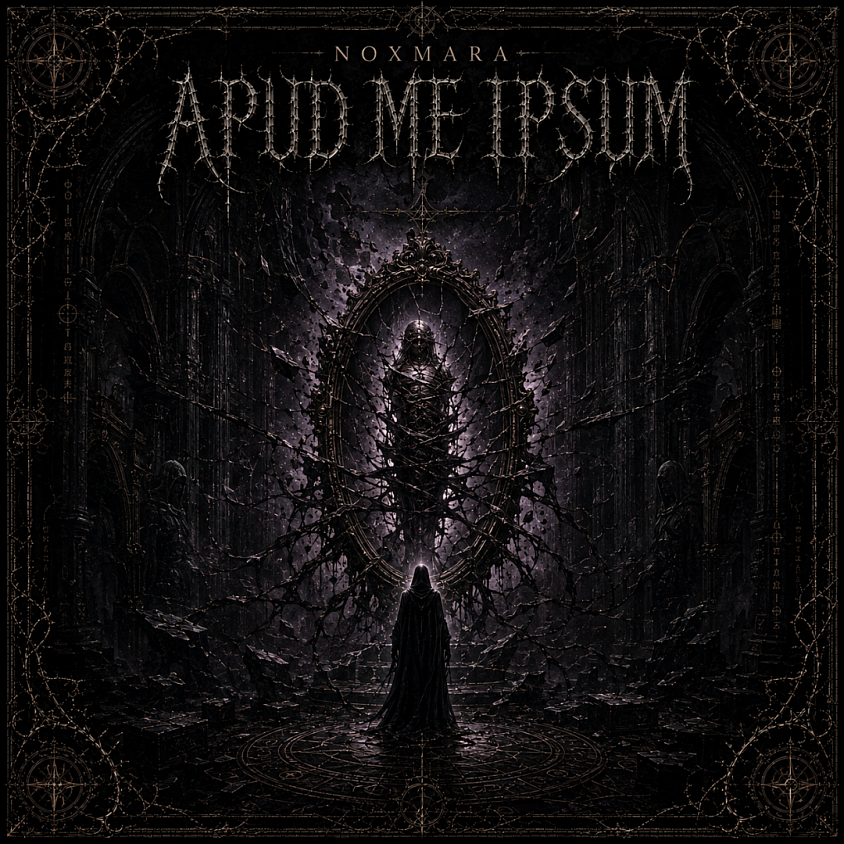
Apud me ipsum
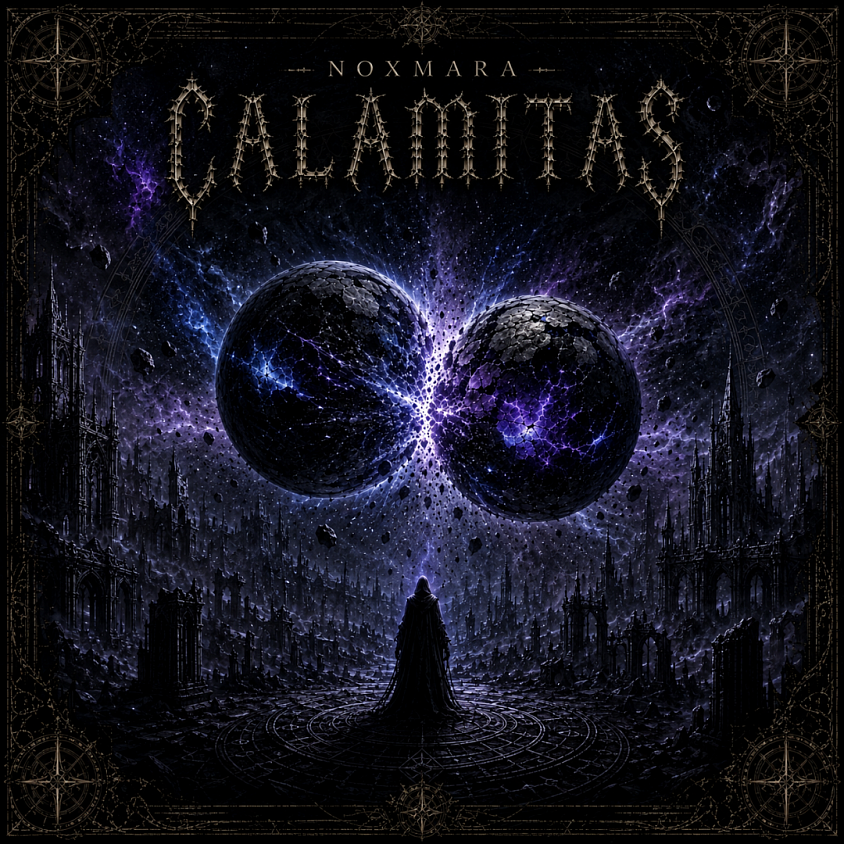
Calamitas
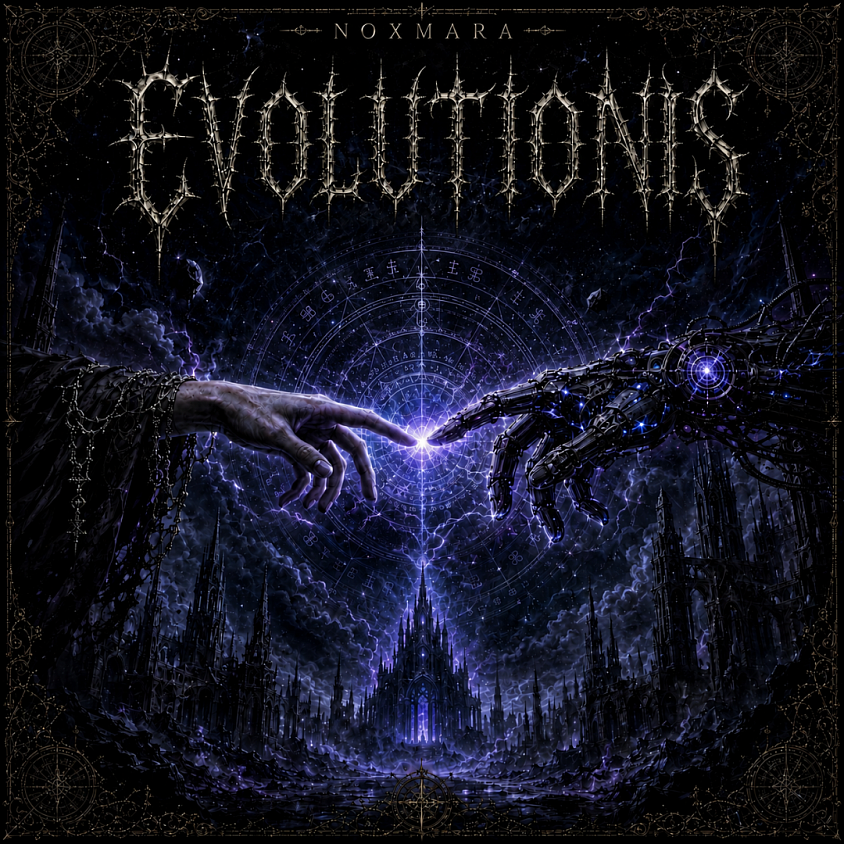
Evolutionis
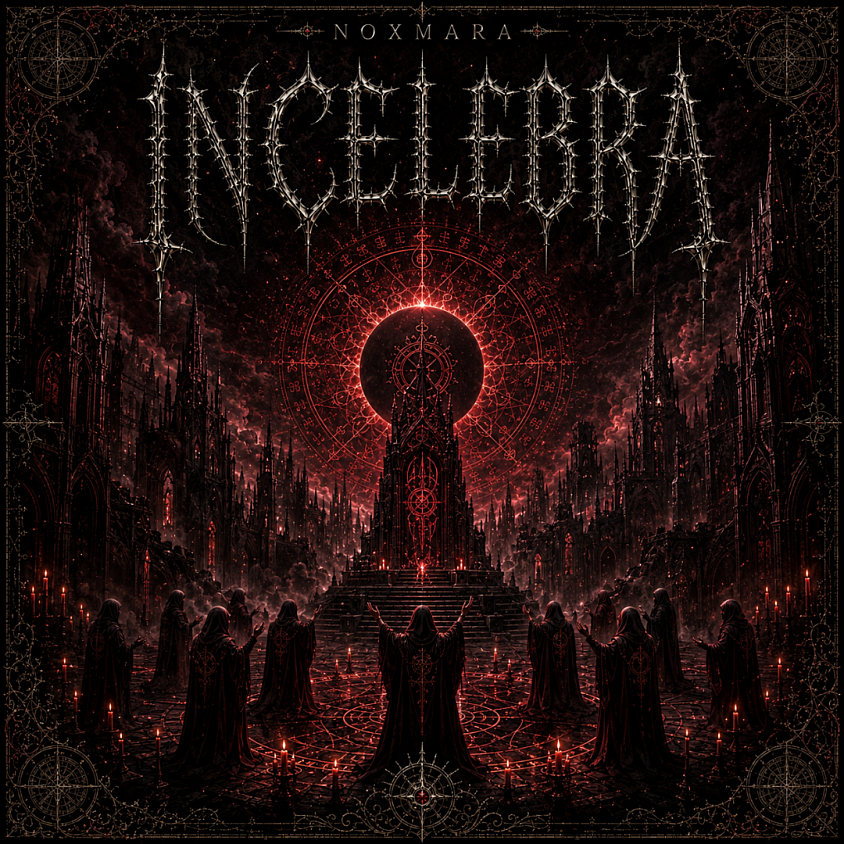
Incelebra
